

Greenwich, CT Mortgage Rates Hit a One-Year High: What the Fed's September Hike Signal Means Here
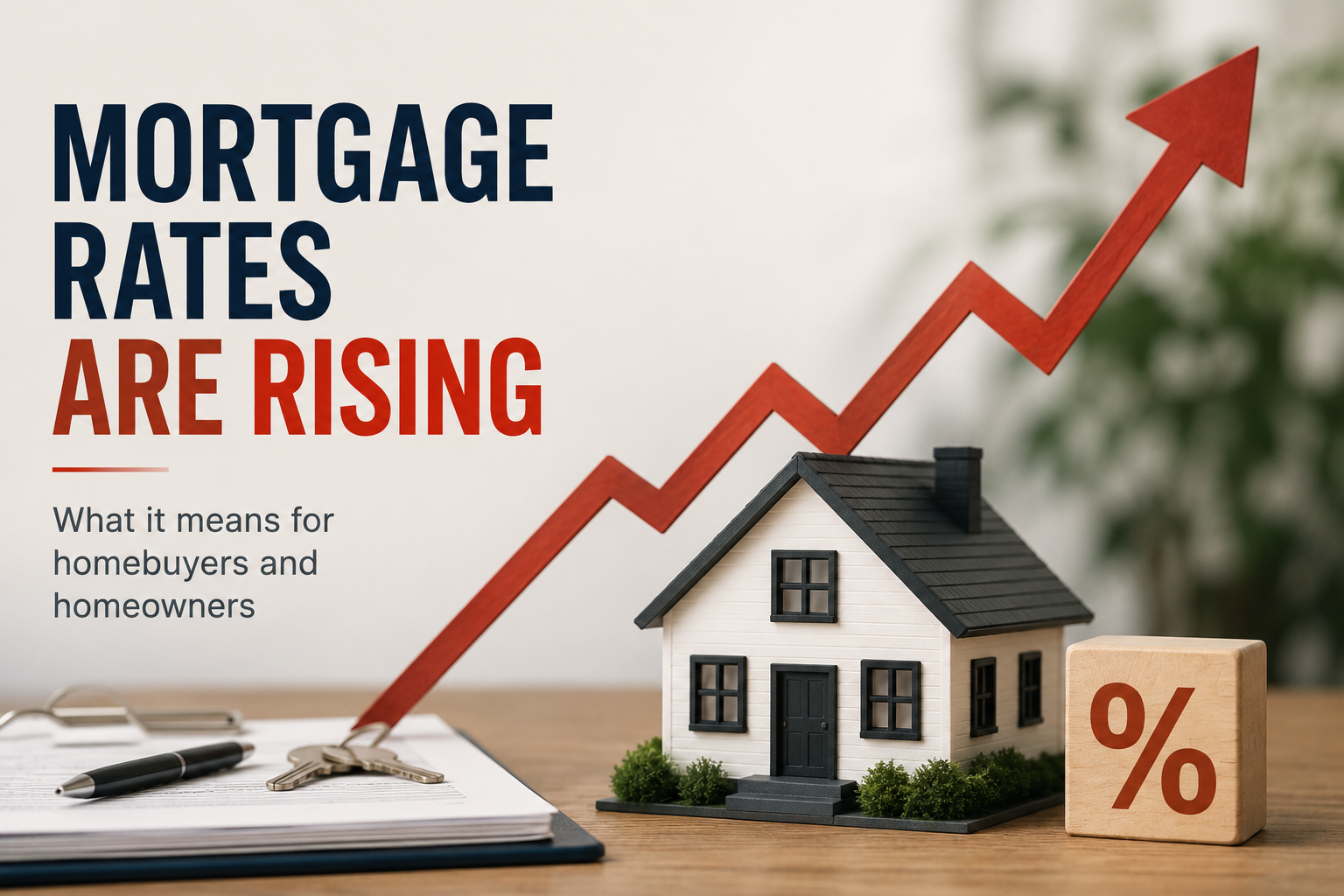
Greenwich, CT mortgage rates just crossed a line that changes the fall calculus. The 30-year fixed averaged 6.66% for the week ending July 30, per Freddie Mac, its highest reading in a year. The bigger story is why. On Wednesday the Federal Reserve voted 9 to 3 to hold its benchmark rate steady, but three officials formally pushed for a hike, the first unified three-way dissent in that direction since September 2016. Markets now put the odds of a September increase above 57%. For a town where the typical purchase runs on a jumbo loan, that shift from "waiting for cuts" to "bracing for hikes" matters more than the 6.66% headline itself.
Key Takeaways
- The 30-year fixed mortgage averaged 6.66% for the week ending July 30, 2026, up from 6.58% and the highest in a year, per Freddie Mac.
- The Fed held its benchmark rate at 3.5% to 3.75% on July 29, but Cleveland's Beth Hammack, Minneapolis's Neel Kashkari, and Dallas's Lorie Logan all dissented in favor of a quarter-point hike, per Bloomberg.
- Markets priced September hike odds above 57% after the decision, per CME FedWatch, and Deutsche Bank's economists now expect 50 basis points of increases by year end.
- Jumbo rates, the ones most Greenwich purchases actually use, averaged about 6.85% on July 30, per Forbes Advisor.
- Greenwich remains a seller's market by any measure: 0.14 months of supply and sellers averaging 103.94% of list, per William Pitt Sotheby's July data, which limits how much rate pressure translates into price relief here.
What Did the Fed Actually Do This Week?
It held rates steady, but with the most hawkish vote in nearly a decade. The Federal Open Market Committee voted 9 to 3 on July 29 to keep the federal funds rate at 3.5% to 3.75%, the fifth straight meeting without a move, as reported by CNBC. Three regional Fed presidents (Beth Hammack of Cleveland, Neel Kashkari of Minneapolis, and Lorie Logan of Dallas) each formally preferred a quarter-point hike, per Bloomberg. That's the first time since September 2016 that three policymakers dissented with a unified view of where rates should go.
The dissent isn't academic. Bond markets repriced immediately, the 10-year Treasury yield jumped, and mortgage rates followed. Since mortgage rates track the 10-year Treasury far more closely than the Fed's own rate, the mere expectation of a September hike pushes borrowing costs up now, weeks before the Fed does anything.
Why Are Mortgage Rates Rising When the Fed Didn't Move?
Because markets price in what the Fed is likely to do next, not what it just did. Freddie Mac's weekly survey put the 30-year fixed at 6.66% for the week ending July 30, up 8 basis points in a week and the highest in twelve months. With CME FedWatch showing better than 57% odds of a hike at the September meeting and Deutsche Bank projecting 50 basis points of increases by year end, lenders are building that future into today's rate sheets.
Oil is the wild card behind the inflation numbers driving all of this. Energy prices have climbed as the conflict in the Middle East has escalated, and inflation has now run above the Fed's 2% target for more than five years. Until that pressure eases, the Fed's own signal is that its next move is more likely a hike than a cut.
What Does 6.66% Mean on a Greenwich Purchase?
More than it means almost anywhere else, because Greenwich buyers borrow bigger. The Freddie Mac survey tracks conforming loans, but the median Greenwich sale ran about $2.5 million over the trailing three months, per Redfin, which puts most financed purchases well into jumbo territory. Jumbo 30-year rates averaged about 6.85% on July 30, per Forbes Advisor.
Run the math on a typical financed deal here, a $2.5 million purchase with 20% down and a $2 million loan:
- At today's roughly 6.85% jumbo average, principal and interest come to about $13,100 a month.
- If rates rise 25 basis points to about 7.10%, that payment climbs to roughly $13,440, about $340 more each month and roughly $4,000 more per year.
- If Deutsche Bank's 50-point path plays out and jumbo rates reach about 7.35%, the payment hits roughly $13,780, about $680 more per month and $8,100 more per year than today.
Those aren't round-off amounts, but notice what they aren't: a reason the market stalls. Roughly a quarter of purchases nationally are all cash, per the National Association of Realtors, and the share runs higher in Greenwich's upper brackets, which insulates part of this market from rate swings entirely.
Should Greenwich Buyers Wait for Rates to Come Back Down?
The honest answer is that waiting now carries a defined risk, because the Fed has told you which way it's leaning. When the expected next move was a cut, waiting had logic. This week flipped that. If September brings a hike, fall buyers will likely face higher borrowing costs than today's, not lower, and Realtor.com's economists see near-term rate relief as unlikely.
Local conditions compound the problem with waiting. Greenwich inventory sits at 0.14 months of supply and sellers are averaging 103.94% of list price, per William Pitt Sotheby's July report. A buyer who waits six months for a rate dip that may not come can easily give back the savings through price appreciation. Practical moves for fall 2026 buyers: get a rate lock with a float-down option so a September hike can't move your number mid-contract, price your search off the payment rather than the loan amount, and ask lenders about relationship pricing, since private banks routinely shave jumbo rates for clients who move assets over.
What Should Greenwich Sellers Take From This?
That the fall window is worth taking seriously. Nationally, pending home sales fell 5.4% in June as rates climbed, and every uptick in borrowing costs trims the pool of financed buyers at the margin. Greenwich's supply picture protects sellers more than most markets, but a September hike followed by a possible December move would make next spring's buyer pool more rate-strained than this fall's.
Sellers in neighborhoods where financed buyers dominate, particularly entry points in Cos Cob, Glenville, and Byram under roughly $1.5 million, are the most exposed to rate-driven hesitation. Waterfront and estate sections like Belle Haven and backcountry lean harder on cash buyers and are correspondingly less rate-sensitive. If you've been debating a fall listing versus waiting until spring 2027, the rate trajectory just voted for fall.
Frequently Asked Questions
What is the mortgage rate right now in July 2026?
The 30-year fixed averaged 6.66% for the week ending July 30, 2026, per Freddie Mac, the highest in a year. Jumbo loans, which most Greenwich purchases require, averaged about 6.85%, per Forbes Advisor.
Did the Fed raise rates at its July 2026 meeting?
No. The Fed held its benchmark rate at 3.5% to 3.75% on July 29, 2026. But three officials dissented in favor of a quarter-point hike, and markets now price better than 57% odds of an increase at the September meeting.
Why do Greenwich buyers care about jumbo rates instead of the headline rate?
The 2026 conforming loan limit in Fairfield County is $977,500. With Greenwich's median sale near $2.5 million, most financed purchases exceed that limit and price off jumbo rates, which currently run about 6.85%.
Will rising rates bring Greenwich home prices down?
There's no local evidence of that yet. Greenwich supply sits at 0.14 months and sellers are averaging almost 104% of list price, per William Pitt Sotheby's July data. Rate pressure thins the financed-buyer pool at the margin, but cash buyers and severe inventory scarcity have kept prices firm.
Should I lock my mortgage rate before September?
If you're under contract or close to it, locking before the September 2026 Fed meeting removes a known risk, and a float-down option preserves the upside if rates ease instead. Talk to your lender about lock windows that cover your expected closing date.
Thinking About a Fall Move in Greenwich?
Rate math is only half the decision. The other half is street-level: which neighborhoods lean on financed buyers, where cash competition is heaviest, and what your current home would draw in a market this tight. The Metalios Team at Houlihan Lawrence tracks Greenwich contract activity daily, from Old Greenwich to backcountry. If you're weighing a fall purchase or sale, reach out for a conversation grounded in what's actually closing right now.
Check out this article next
Historic Homes in Greenwich, CT: A Field Guide to 300 Years of Architecture
Historic homes in Greenwich, CT tell the story of American architecture better than most museums do. The country just marked its 250th birthday, and Greenwich…
Read Article