


Should Greenwich CT Home Sellers Pay Buyer Closing Costs in 2026? Here's the Strategy
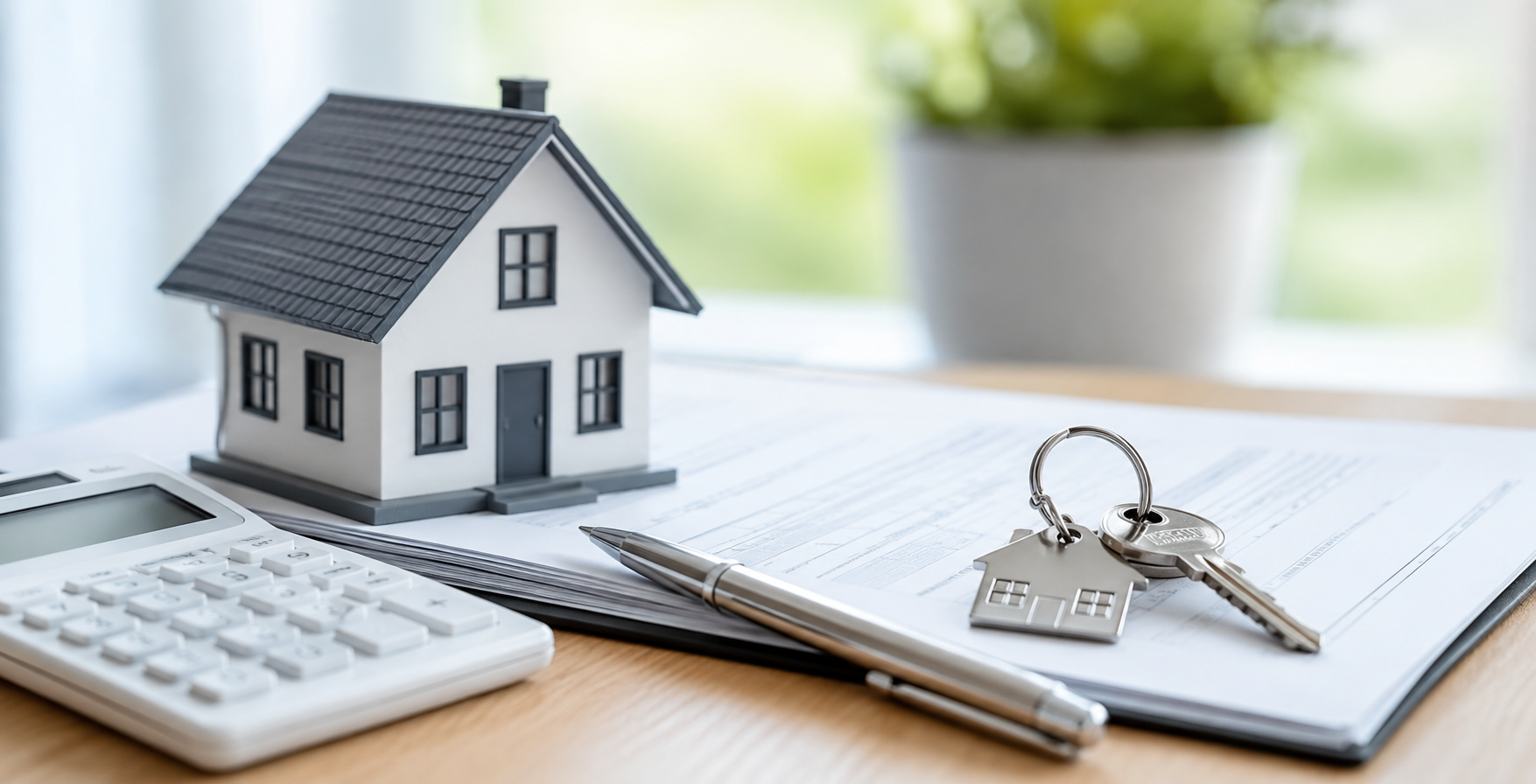
Three years ago, asking a Greenwich seller to cover anything felt like overreach. Today, the conversation is more nuanced — and the right answer depends heavily on your buyer, your property, and what you're actually trying to accomplish.
Here is what the market data says, and how to think through this decision if you're listing a home in Greenwich, Riverside, Old Greenwich, Cos Cob, or anywhere in Fairfield County.
What's Driving the Conversation Right Now
The 30-year fixed mortgage rate as of June 15, 2026 sits at 6.56%, according to Mortgage News Daily. That's down slightly from recent weeks and near the best levels seen in about a month, with bond markets rallying on news of a potential international peace deal. But it's still well above the 3% to 4% range that defined the pandemic-era market, and buyers at every price point are carrying meaningfully higher financing costs than they were a few years ago.
At the same time, Greenwich's market has remained competitive. The first quarter of 2026 closed with 87 to 92 single-family home sales — up roughly 18% from Q1 2025 — at a median price of $3,831,000. Homes averaged 75 days on market, which is 31% faster than a year ago.
That context matters, because whether seller concessions make strategic sense depends entirely on where your specific home sits relative to the current balance of supply and demand. In a segment with multiple offers, offering to cover closing costs often means giving away money you don't need to give. In a segment where your home has been sitting for 45 days without a serious offer, it may be exactly the tool that moves things forward.
What "Paying Buyer Closing Costs" Actually Means in Connecticut
In Connecticut, buyers face a meaningful stack of closing costs: lender origination fees, title insurance, attorney fees, recording fees, and prepaid expenses. In Fairfield County, attorney fees tend to run higher than in smaller Connecticut towns, and the overall tab can come as a surprise to buyers who focused exclusively on the purchase price.
When sellers offer a closing cost credit, they're contributing cash back to the buyer at closing — typically 1% to 3% of the sale price. On a $3.8 million home (roughly the Greenwich Q1 2026 median for single-family homes), even a 1% credit equals $38,000. That's a meaningful contribution, which is why smart sellers think carefully before offering it reflexively.
One clarification worth stating plainly: a closing cost credit does not reduce your recorded sale price. The contract price stays the same. The seller contributes a set amount toward the buyer's costs at closing. That distinction matters, because your sale price is a comparable that affects your neighbors and your neighborhood.
The Smarter Tool: Rate Buydowns
Rather than a generic closing cost credit, sellers can structure a concession as a mortgage rate buydown — specifically a 2-1 buydown.
The way it works: the seller contributes a lump sum (typically 2% to 3% of the loan amount) to temporarily reduce the buyer's interest rate. In a 2-1 buydown, the rate drops by 2 percentage points in year one and 1 percentage point in year two, before returning to the full contracted rate in year three.
On a $500,000 loan at 6.56%, a 2-1 buydown saves the buyer roughly $600 per month in year one. On the larger loans common in Greenwich, the monthly savings are more pronounced. On a $2 million loan, the math starts to look very different to a buyer stretching their budget.
Why does this matter to you as a seller? It solves the buyer's monthly cash flow problem without requiring you to reduce your list price — which protects the comparable sale record for your neighborhood. Buyers who feel breathing room in years one and two are also more likely to move quickly and less likely to renegotiate at inspection.
When to Offer Concessions — and When Not To
Greenwich's current market does not require blanket concessions. Here is a framework for thinking through your specific situation.
Offer concessions when:
- Your home has been listed more than 30 days without a contract
- You have a serious buyer who is stretching their budget to reach your price
- A price reduction would hurt nearby comparables and you want to protect the neighborhood record
- Your buyer is using jumbo financing, where monthly savings have an outsized effect on their decision
- Buyers are citing monthly carrying costs as the consistent sticking point
Hold firm when:
- You have competing offers on the table
- Your home is priced at or below recent sold comparables
- The request is coming in early, before the buyer has shown genuine commitment
- The requested amount has no clear rationale tied to the buyer's actual closing cost exposure
What This Looks Like on a Greenwich-Sized Transaction
Connecticut seller closing costs typically run around 3.89% of the sale price, covering state conveyance taxes, title fees, attorney fees, and recording costs. On a $3.8 million home, that's approximately $148,000 before any buyer concessions.
If a buyer requests an additional $50,000 closing cost credit, total transaction costs approach $200,000 before commissions. For sellers who haven't modeled the full net picture, this can come as a significant surprise late in the process. Run the full net sheet before agreeing to anything — your agent and attorney should walk you through exactly what any concession does to your actual proceeds.
4 Key Takeaways for Greenwich Sellers
- Closing cost credits and rate buydowns are legitimate tools in a 6.56% rate environment — not signs of a weak market. The right concession, structured correctly, can close a deal faster and protect your sale price.
- A rate buydown often outperforms a price reduction. It keeps your comparable sale price intact, solves the buyer's monthly payment concern, and in many cases costs the seller a similar amount or less.
- Greenwich's Q1 2026 market was competitive (18% more closings, 31% faster sales than a year ago). In most active price segments, you may not need to offer concessions at all. Assess your specific situation before giving anything away.
- Always document concession terms in the purchase contract as a formal addendum — not in emails or verbal conversations.
Frequently Asked Questions
What are typical seller concessions in Connecticut?
Seller concessions in Connecticut typically range from 1% to 3% of the sale price. They can include contributions toward buyer closing costs, mortgage rate buydowns, inspection repair credits, or other agreed-upon expenses. In competitive markets like Greenwich, sellers are less often asked to make concessions — but the calculation shifts when a specific buyer needs them to move forward.
What is a 2-1 rate buydown and should I offer one?
A 2-1 rate buydown is a seller contribution that temporarily reduces the buyer's mortgage rate by 2 percentage points in year one and 1 percentage point in year two. On a $500,000 loan, that saves the buyer roughly $600 per month in year one. On the larger loans common in Greenwich, the monthly savings are higher. It's worth discussing when a buyer is motivated but constrained by monthly payment rather than total price — the buydown solves their problem without reducing your recorded sale price.
How much does it cost to sell a home in Connecticut?
Connecticut seller closing costs typically run around 3.89% of the sale price, covering conveyance taxes, title insurance, attorney fees, and recording costs. In Fairfield County, attorney fees tend to run higher than statewide averages. Real estate commissions are separate and negotiated independently.
Is Greenwich a seller's market or buyer's market in 2026?
Greenwich remained broadly competitive in Q1 2026, with 18% more single-family closings than Q1 2025 and homes selling 31% faster than a year ago. That said, the market is not uniform across all price points and neighborhoods. Your specific position depends on current inventory in your price range — an experienced local agent can tell you where you stand.
Should I reduce my price or offer a closing cost credit?
In most cases, a targeted closing cost credit or rate buydown is strategically preferable to a price reduction. A price cut becomes a comparable sale that can affect neighboring properties. A concession solves a specific buyer problem without changing the recorded sale price. That said, if your home is overpriced for the market, no concession will fix that — the price itself needs to move. Your agent and attorney can model both options against your net proceeds goal.
Ready to Think Through Your Selling Strategy?
Selling in Greenwich — whether in Riverside, Old Greenwich, Cos Cob, Belle Haven, or the backcountry — involves more moving parts than most sellers expect. If you're weighing how to position your home, whether to offer concessions, or how to structure the deal to get to closing faster, a conversation with an experienced local agent is the right first step.
Check out this article next
4.2% Inflation and a Possible Fed Rate Hike: What Greenwich CT Buyers and Sellers Need to Know in 2026
May's inflation report landed Wednesday with a number that stopped a lot of people mid-scroll: 4.2% annualized, the highest reading since April 2023. If you're…
Read Article